
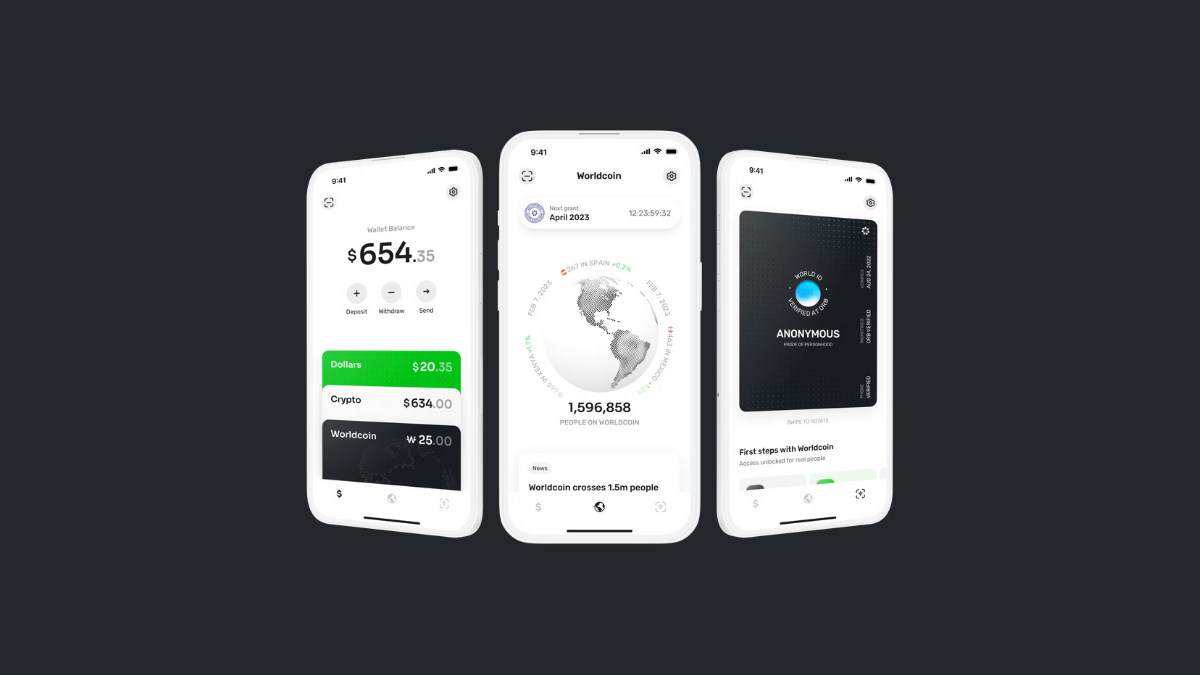
O World App is a platform that uses iris biometrics to authenticate digital transactions and accesses, providing additional security. However, the practice of sell irises has generated controversies related to privacy and the protection of personal data.
The sale of iris scans raises concerns about the misuse of this information, as it is unique and permanent. With the increasing use of biometric data, it is essential to ensure that platforms adopt strict security protocols and offer transparency about how this information is handled.
In Brazil, the ANPD has already prohibited the sale of iris records, due to the risk of violating consumer rights. The practice can expose individuals to fraud, identity theft and discrimination, which makes it even more important to regulate and control the use of biometric data.
Content Index
Introduction to World App and selling irises
O World App is an innovative platform that uses iris biometrics for authentication and digital transactions, offering an additional layer of security. However, the practice of selling irises raises significant concerns about privacy and personal data protection.
THE iris sale involves the collection and commercialization of unique and permanent biometric data, which can expose individuals to risks such as identity theft and discrimination. In addition, the lack of clear regulation on the use of this data raises concerns about potential abuse and privacy violations.
Read too:
- ONE UI 7: which phones receive the new Android interface
- How to Recover Hacked Instagram: Complete and Detailed Guide
- Training App: Discover 10 options to create your own
In Brazil, the National Data Protection Authority (ANPD) has already banned the sale of iris scans, recognizing the risks associated with this practice. This decision highlights the need for strict regulation and awareness about the impacts of the commercialization of biometric data on society.
How does the World App work?
O World App is an innovative platform that integrates digital financial services, biometric authentication and access to decentralized applications, offering a complete and secure experience to users.
1. Registration and Identity Verification
To get started, the user registers on the app, providing essential personal information. Identity verification is performed via the device Orb, which scans the individual's iris, creating a unique and secure digital model. This process uses advanced technology to ensure the accuracy and security of identification.
2. Storage and Management of Digital Assets
After verification, the World App allows the storage and management of digital assets, including cryptocurrencies such as Worldcoin (WLD). Users can view balances, perform transactions and access financial resources in an intuitive and secure way.
3. Access to Decentralized Applications (dApps)
The app provides access to a variety of dApps, allowing users to explore decentralized financial services, games and other innovative applications directly through the platform. This integration expands the possibilities and utility of World App in the digital everyday.
4. Security and Privacy
Safety is a priority at World App. The platform uses advanced encryption and multi-factor authentication to protect user data. In addition, iris scanning technology ensures that each transaction is carried out by a unique individual, reducing the risk of fraud and increasing trust in the system.
5. Additional Benefits
In addition to the main features, the World App offers benefits such as cashback on purchases made through the platform, access to exclusive offers and the possibility of managing different digital assets in a single place. These advantages make the application a complete tool for those seeking practicality and security in digital interactions.
In short, the World App combines cutting-edge technology in biometric authentication, digital asset management and access to decentralized applications, providing a safe, practical and innovative experience for users in the digital universe.
What are the risks and implications of selling iris biometric data?
The sale of iris biometric data raises significant privacy and security concerns. The iris is a unique and permanent feature of each individual, making it highly sensitive. Once compromised, it cannot be changed, making it an attractive target for fraudulent activities.
Digital security experts warn that the commercialization of this data can result in identity theft, discrimination and misuse of personal information. In addition, the lack of clear regulations on the processing of this data increases the risks of leaks and misuse.
In Brazil, the National Data Protection Authority (ANPD) has already banned the sale of iris scans, considering it a practice that could compromise individuals' privacy. Therefore, it is essential that users are aware of the risks involved and consider safer alternatives for protecting their personal data.
Legal and Ethical Aspects of the Sale of Biometric Data in Brazil
The sale of biometric data, especially iris scans, raises significant issues in Brazil, where the protection of personal data is regulated by General Data Protection Law (LGPD). This legislation establishes strict guidelines for the treatment of sensitive information, such as biometric data, aiming to guarantee the privacy and security of individuals.
Recently, the National Data Protection Authority (ANPD) banned the practice of offering financial compensation in exchange for recording individuals’ irises. This decision reflects concerns about protecting personal data and preventing potential abuses related to the collection and misuse of this sensitive information.
Furthermore, the sale of biometric data can expose individuals to risks such as identity theft, discrimination, and misuse of their personal information. Therefore, it is essential that companies and platforms that handle biometric data adopt transparent practices, obtain explicit consent from users, and implement robust security measures to protect this information.
Possible implications and concerns
The practice of selling biometric data, especially iris scans, raises serious concerns in several areas. Below, we explore the main implications and risks associated with this practice.
1. Risks to Data Privacy and Security
The sale of biometric data, such as iris scans, exposes individuals to significant privacy and security risks. Once compromised, this data cannot be altered, making it vulnerable to misuse, such as identity theft and financial fraud. Furthermore, the unauthorized dissemination of this data can result in discrimination and violations of fundamental rights.
2. Legal and Regulatory Implications
In Brazil, the sale of biometric data without explicit consent is illegal and contrary to General Data Protection Law (LGPD). The National Data Protection Authority (ANPD) has already banned the practice of selling iris scans, considering it a violation of consumer rights. Companies that engage in this practice may face legal sanctions and reputational damage.
3. Social and Economic Impacts
The commercialization of biometric data can deepen social inequalities, as individuals in vulnerable situations may be more likely to sell their data in exchange for financial compensation. This can result in the undue exploitation of personal data, negatively affecting public trust in emerging technologies and the companies that use them.
Therefore, the sale of biometric data such as iris scans poses significant risks to privacy, security and social well-being. It is essential that regulations are strictly enforced to protect individuals and ensure the ethical use of these technologies.
Safe Alternatives to Selling Biometric Data
The sale of biometric data, such as iris scans, has raised significant concerns regarding the privacy and security of individuals. To protect your personal information, it is essential to adopt practices that ensure the security and privacy of your data.
- Use of traditional authentication methods: A safe alternative to selling biometric data is to use traditional authentication methods, such as strong passwords and two-factor authentication. These practices have proven effective in protecting accounts and personal information;
- Choosing privacy-first services: Choosing services that adopt transparent policies and protect users’ personal data is essential. Before providing personal information, check the platforms’ privacy policies and terms of use to ensure that your data will be treated safely and responsibly;
- Maintaining awareness and digital education: Staying informed about digital security and privacy practices is crucial. Ongoing education about the risks associated with the sale of biometric data and best practices for protecting your personal information contributes to safer navigation in the digital age.
Adopting these alternatives and solutions contributes to protecting your privacy and security, avoiding the risks associated with the sale of biometric data.
Frequently Asked Questions about the World App and Selling Irises
Below, we present answers to the main questions related to World App and the practice of selling irises, based on reliable and up-to-date sources.
1. What is the World App and how does it work?
O World App is the official application of the project World ID, developed by the company Tools for Humanity. Available for devices android and iOS, the app allows users to schedule iris scans at specific checkpoints. After the procedure, participants receive cryptocurrencies, such as Worldcoin, in exchange for the collected biometric data.
2. What are the risks associated with selling irises?
The sale of irises raises significant concerns:
- Privacy: The iris is a unique and permanent biometric characteristic. Once compromised, it cannot be changed, making the individual vulnerable to misuse;
- Data security: The storage and transmission of biometric data requires strict security protocols to prevent unauthorized access and information leaks;
- Informed consent: It is essential that users fully understand the implications of providing their biometric data, including the risks involved.

3. Is the sale of irises legal in Brazil?
In Brazil, the National Data Protection Authority (ANPD) is investigating the iris collection carried out by the project World ID since November 2024. The ANPD reported that the company is undergoing more rigorous oversight, indicating regulatory concerns about the practice.
4. What are the ethical implications of selling biometric data?
The sale of biometric data, such as iris scans, raises ethical questions related to privacy, consent and misuse of personal information. Experts warn of the risks of discrimination and identity theft associated with the commercialization of such data.
5. How can I protect my biometric data?
To protect your biometric data, it is recommended that you:
- Avoid providing personal data to untrustworthy platforms: before sharing biometric information, check the company's reputation and privacy policies;
- Stay informed about data protection regulations: follow updates on laws and regulations related to the protection of personal data, such as General Data Protection Law (LGPD);
- Exercise caution when participating in programs involving biometric data: Carefully evaluate the benefits and risks before engaging in initiatives that request sensitive information.
Conclusion
Although the World App and other similar platforms offer convenience and innovation, it is crucial to assess the risks associated with selling irises. Protecting privacy and the security of personal data should be a priority, and users should exercise caution when considering using services that involve providing sensitive biometric information.

